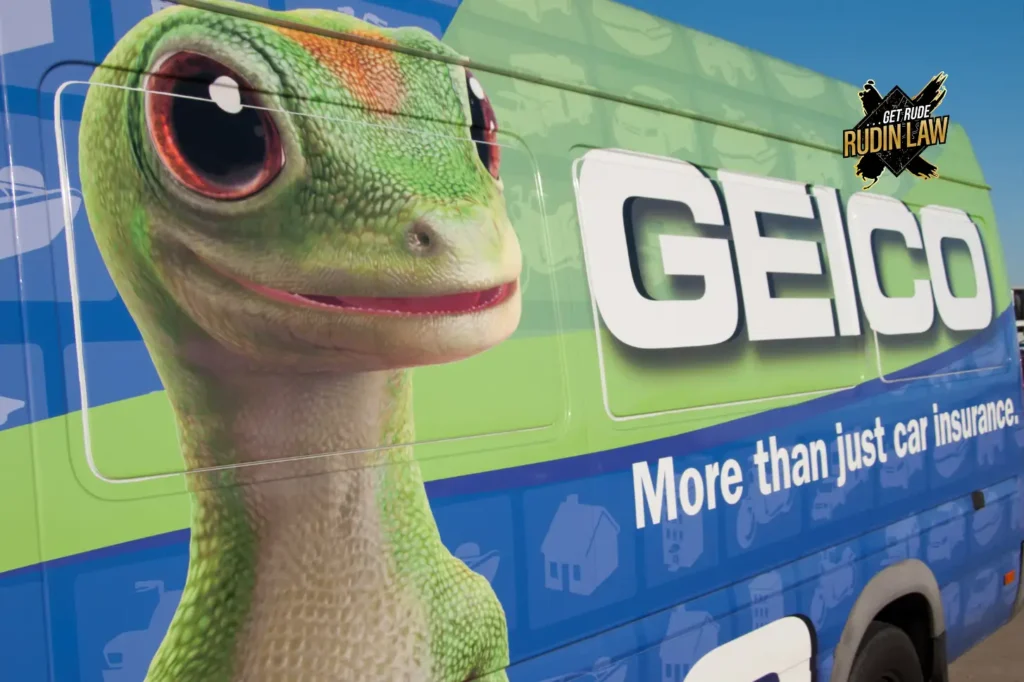
After you report your car crash, GEICO is on the phone. And no, it’s not the cute GEICO Gecko from the commercials calling to check on you. It’s a professional claims adjuster ready to start a file before you’ve even caught your breath. The call feels routine and polite, yet you’re the one dealing with pain, medical bills, and the stress of not knowing what comes next. You want to be cooperative, but you also want to protect yourself.
Most people hesitate during that first call because they’re still figuring out what the accident involved and whether their injuries are more serious than they thought. That hesitation is normal. It’s also why dealing with a GEICO claims adjuster can lead people to say things they didn’t mean or think through.
Let’s be clear here. Everything said in that first call is documented before you know the full extent of your injuries or how Louisiana’s fault rules apply. That early conversation can influence how liability and damages are viewed later, especially if you downplayed symptoms or tried to fill in details you weren’t sure about. At RUDIN LAW, our New Orleans car accident attorneys often hear from clients who later realize those early answers made their claim harder than it needed to be.
No matter where you are in the process, whether the first call already happened or it is still coming, the five tips below walk you through how to protect your claim and avoid the traps adjusters rely on.
At a Glance
- GEICO calls fast, often before you’ve processed the accident or understood the injuries sustained.
- Anything you say gets documented and later compared to the police report, medical records, and every note in the claim file.
- You’re not required to discuss symptoms, give opinions about fault, or explain how the accident occurred.
- Early statements can lower the value of your personal injury claim, especially if you mention minor injuries, uncertainty, or guesses.
- A New Orleans, Louisiana car accident lawyer helps you control the conversation, protect your insurance claim, and avoid mistakes GEICO adjusters use against accident victims.
Tip 1. Stick to the Basics – GEICO Is Calling to Build Their Case, Not Yours
GEICO adjusters open with polite conversation, but their goal is to lock in statements they can compare to the police report, medical records, and every later note in the file. You only need to provide facts about how the accident occurred, such as:
- Time of the crash
- Location of the accident scene
- Names of drivers
- Which police officer responded
Anything more invites misunderstandings that affect car accident claims. A casual comment about pain or fault* may show up in the file as something entirely different. In many motor vehicle accidents, even “innocent” comments get misinterpreted.
If you feel pressured, stop the call. You are not required to discuss symptoms, injuries sustained, or how the other driver behaved.
*Note: Under Louisiana’s modified comparative fault rules (effective Jan. 1, 2026), an injured person can recover damages only if they are 50% or less at fault for an automobile accident; if they are 51% or more at fault, they will be barred from recovery.
Tip 2. Do Not Discuss Injuries Before a Doctor Evaluates You
Many car accident victims talk to adjusters before seeing a doctor because adrenaline masks symptoms or they assume their condition will improve. GEICO uses early comments like “I’m fine” or “it’s just soreness” to argue that your medical bills, later imaging, or future medical treatment are unrelated.
Instead, stick with:
“I’m still being evaluated.”
This protects you when minor injuries turn into more serious issues over the next few days, something Louisiana doctors see often. Under Louisiana law, insurers must evaluate claims based on documented proof of loss, including medical records and diagnostic findings, not assumptions made before treatment. (La. R.S. 22:1892 and La. R.S. 22:1964.)
Tip 3. Decline a Recorded Statement Until You Have Legal Guidance
Recorded statements are routine in personal injury cases, but they can often work against the injured person’s interests. Most people speak casually, try to be cooperative, or forget details they later remember. GEICO records every word and compares it to:
- The official accident report
- The New Orleans police report
- Medical records describing physical injuries
- Statements from all vehicles involved
If anything sounds inconsistent, they use it to question financial compensation or argue your personal injury claim is worth less.
You are allowed to decline a recorded statement politely and wait until you have spoken with a personal injury lawyer. This is normal, common, and smart.
Tip 4. Do Not Guess, Estimate, or Agree With Their Version of Events
Adjusters often ask leading questions to get you to fill in gaps:
- “How fast were you going?”
- “Are you sure the other driver didn’t stop suddenly?”
- “Could you have avoided the collision?”
If you estimate speed, distance, or behavior, those guesses become part of the file and affect determining liability. Your safest answer is:
“I don’t want to speculate.”
Avoid softening the situation by saying it was “a small impact” or that you feel “better today.” These types of comments appear often in car accident cases, and reduce the value of your financial recovery.
Sticking to facts protects your claim. Guessing does the opposite.
Tip 5. Talk to a New Orleans Car Accident Lawyer Before Negotiating Anything
Once negotiations begin, GEICO will compare every piece of documentation, such as medical expenses, photos, lost income, and treatment records, to the statements you gave earlier. They search for inconsistencies and use them to justify a lowball settlement offer.
A New Orleans, Louisiana car accident lawyer can:
- Explain your legal rights
- Confirm what Louisiana law requires insurers to review
- Coordinate medical attention, records, and proof of lost wages
- Protect your ability to seek compensation for both economic and non-economic damages
- Push back when the insurance company downplays symptoms or delays your claim
Most attorneys offer a free consultation and work on a contingency fee basis, so you can get guidance before negotiating with an adjuster who handles hundreds of auto accidents every year.
Frequently Asked Questions
Q: Do I have to talk to the adjuster after a car accident?
A: You must report the crash, but you are not required to answer detailed questions about injuries sustained, emotional distress, or how the accident occurred. Insurance adjusters often sound friendly, but their job is to gather insurance information and look for statements they can use later. You can decline, pause the call, or redirect the adjuster until you have spoken with a personal injury lawyer.
Q: What if I already spoke with the GEICO adjuster and said too much?
A: It happens constantly. Your attorney can review the official accident report, compare your statements to what the local police department documented, and determine whether anything needs clarification. Louisiana law requires insurers to evaluate documented medical findings, not off-the-cuff comments made by accident victims under pressure. Even if you mentioned seemingly minor injuries, your case is not ruined.
Q: How fast should I seek medical attention after an automobile accident?
A: Immediately. Even minor injuries can turn into severe injuries once swelling builds or hidden trauma appears. Delayed treatment gives the insurance company room to argue your medical expenses, neck injuries, or potential need for neck surgery are unrelated. Early care strengthens your ability to recover compensation for both economic and non-economic damages.
Q: Why do insurers move quickly after motor vehicle accidents?
A: Insurance companies reach out early to secure statements, compare your story to the New Orleans police report, and begin determining liability. Early contact is routine in auto accidents, pedestrian accidents, and every type of Louisiana car accident case. Quick calls are not about helping you. They’re about building their file.
Q: What if the adjuster pressures me to admit fault?
A: Do not admit fault. Do not guess. Do not explain what you “think” happened. Fault in Louisiana depends on documentation, the police officer’s findings, and evidence from all vehicles involved. An accidental “I’m sorry” or incorrect estimate of speed can affect how financial compensation is evaluated. Your safest response: “I’m not going to speculate.”
Q: How do I protect my personal injury claim from the start?
A: Three steps:
- Seek medical attention right away.
- Document everything: photos of the accident scene, medical bills, lost wages, and anything the accident caused.
- Speak with a New Orleans car accident lawyer before negotiating with the adjuster or accepting a lowball settlement offer.
Attorneys know how to gather evidence, challenge lowball offers, explain your legal rights, and deal with insurance companies that try to minimize physical injuries or delay your insurance claim.
Q: Does hiring an attorney really make a difference in car accident cases?
A: Absolutely. A legal team can push back when the at-fault driver denies responsibility, when adjusters question injuries sustained, or when you need to seek compensation for lost income and medical expenses. Most firms, including RUDIN LAW, work on a contingency fee basis, so you don’t pay unless your attorney wins. A strong attorney can also help you pursue a fair settlement when the insurer undervalues your financial recovery.
Q: What if my accident involved distracted driving or drunk drivers?
A: These cases are common across New Orleans and can affect how your attorney builds your legal representation strategy and strengthens your claim. The presence of drunk drivers or obvious distracted driving strengthens liability, increases the importance of a complete accident report, and often leads to higher valuations for both economic and non-economic damages. Your attorney will analyze these factors immediately.
At RUDIN LAW, we follow the R-U-D-E Method. The New Orleans, Louisiana car accident lawyers on our team don’t let insurance companies control the conversation. We build pressure. We demand justice. And we make sure they know you’re not going away quietly.
UNDERSTAND: By the end, we’ll have a clear understanding of your legal concerns and be able to offer valuable insights and solutions to move forward.
DEVELOP: We’ll develop a customized legal strategy tailored to your specific situation, addressing your concerns and goals.
EXECUTE: We’ll implement the legal strategy, providing experienced guidance and advocacy. We fight tenaciously for the compensation you need to support your recovery.
The Insurance Company Has a Strategy. You Need One Too.
If You Said Too Much Already, Don’t Panic — Call Us.
At RUDIN LAW, our personal injury attorneys in New Orleans know exactly how insurance adjusters try to lock in your statements from the very first call. Maybe you answered questions before you knew how your injuries would develop. Maybe you tried to be polite. Maybe you already feel the adjuster twisting your words.
That doesn’t mean your case is lost. It means it’s time for a legal team that knows how to correct the record, gather the right documentation, and push back when an insurance company tries to limit your financial recovery.
We review the official accident report, medical records, and every piece of evidence needed to strengthen your personal injury claim. When adjusters delay, minimize injuries, or question damages, our legal team responds with the force your case demands.
Ready to STOP BEING POLITE®? Call (504) 500-5504(504) 500-5504 to schedule your FREE consultation. You can also contact us online and our legal team will start building your claim. You don’t pay us unless we win. Period.
STOP BEING POLITE® and GET RUDE® with RUDIN LAW.
Copyright © 2026. RUDIN LAW. All rights reserved.
The information in this blog post (“post”) is provided for general informational purposes only and may not reflect the current law in your jurisdiction. No information in this post should be construed as legal advice from the individual author or the law firm, nor is it intended to be a substitute for legal counsel on any subject matter. No reader of this post should act or refrain from acting based on any information included in or accessible through this post without seeking the appropriate legal or other professional advice on the particular facts and circumstances at issue from a lawyer licensed in the recipient’s state, country, or other appropriate licensing jurisdiction.
RUDIN LAW
5500 Prytania Street, #404
New Orleans, LA 70115
(504) 500-5504(504) 500-5504
https://www.GetRude.com/